


Child and adolescent mental health care

Specialist assessment and care for children and adolescents — from anxiety and behaviour to emotion regulation, learning difficulties, and developmental concerns.

Starting with the concern, not the diagnosis

Many families arrive unsure whether what they are seeing is ADHD, anxiety, autism, a developmental stage, or something else. The purpose of assessment is to answer that question clearly.

When something is not right and you are not sure where to start

Parents know when something has changed or when something has always been harder than it should be. A child who has become increasingly withdrawn, an adolescent whose anxiety stops them going to school, a family exhausted by behaviour that does not respond to anything they try — these concerns deserve a clinical answer, not reassurance alone.

A structured assessment clarifies what is happening, gives the family a coherent explanation, and produces a plan that is realistic about what can change and over what timeframe.

Clinical assessment at Farasai Clinic

Concerns that commonly bring families to us

Presentations differ by age. What looks like simple behaviour in a young child may be anxiety, developmental difficulty, or a response to family stress.

Children (under 12)

  • Persistent separation anxiety, excessive clinginess, or refusal to attend school

  • Behavioural difficulties at home or school that do not respond to usual approaches

  • Frequent intense tantrums or emotional outbursts beyond what is expected for age

  • Difficulty with social relationships or peer interaction

  • Sleep difficulties — nightmares, reluctance to sleep alone, or night waking

  • Developmental concerns about speech, learning, or motor skills

Adolescents (12–18)

  • Anxiety that leads to avoidance — school refusal, social withdrawal, or panic

  • Low mood, withdrawal, or loss of interest in things that previously mattered

  • Self-harm or thoughts of self-harm — disclosed or suspected

  • Increasing conflict, oppositional behaviour, or risky decision-making

  • Academic deterioration that cannot be explained by effort or motivation alone

  • Questions about identity, eating, or emerging concerns the family does not know how to approach

What our child and adolescent assessment covers

Each assessment is adapted to the child's age, the nature of the concern, and what the family needs to know.

Parent and caregiver intake
The first contact gathers the presenting concern from the family's perspective — when it started, how it has changed, what has been tried, and how it is affecting family life. This shapes the clinical approach before any appointment takes place.
Child or young person interview
The child or adolescent is seen directly, in an age-appropriate way. For younger children this may involve observation and structured activities alongside parent input. For adolescents, a degree of confidentiality is observed to allow honest disclosure.
School and contextual review
Functioning at school is a critical data point. Teacher rating scales, school reports, or a brief school liaison may be incorporated. Understanding how the child presents in structured versus unstructured settings is often clinically decisive.
Developmental and clinical tools when indicated
Rating scales, developmental screens, or targeted cognitive assessments may be used depending on the clinical question. No single tool provides a diagnosis — the clinical interview and history remain primary.
Family formulation and care plan
Findings are explained to the family — and to the young person at an age-appropriate level. The care plan specifies what is recommended, why, what the family's role is, and how progress will be reviewed.
1 in 8
children aged 5–19 have a diagnosable mental health condition
Most go without clinical support.
50%
of lifetime mental health conditions emerge before age 14
Early assessment leads to more effective support.
8 years
average gap between first symptoms and first treatment in young people
Waiting is rarely the right answer.

What a care plan may include

Care is shaped by the child's age, the clinical picture, and the family's context and capacity.

Parent guidance and behavioural support

For younger children especially, parents are the primary agents of change. Guidance focuses on specific, practical strategies — managing difficult behaviour, supporting emotional regulation, building predictable routines, and avoiding approaches that inadvertently maintain the problem.

Individual therapy for the child or adolescent

Age-appropriate individual work — including cognitive-behavioural, play-based, or structured supportive approaches — when the young person is able to engage directly in therapeutic work.

School coordination and educational liaison

Written letters or reports for school, support for accommodation or special needs requests, and practical liaison between the clinical team and school staff when coordination is needed.

Medication when clinically indicated

Medication is used selectively in child and adolescent psychiatry. When it is part of the plan, the indication, options, expected effects, and monitoring schedule are explained to both the parent and, at an age-appropriate level, the young person.

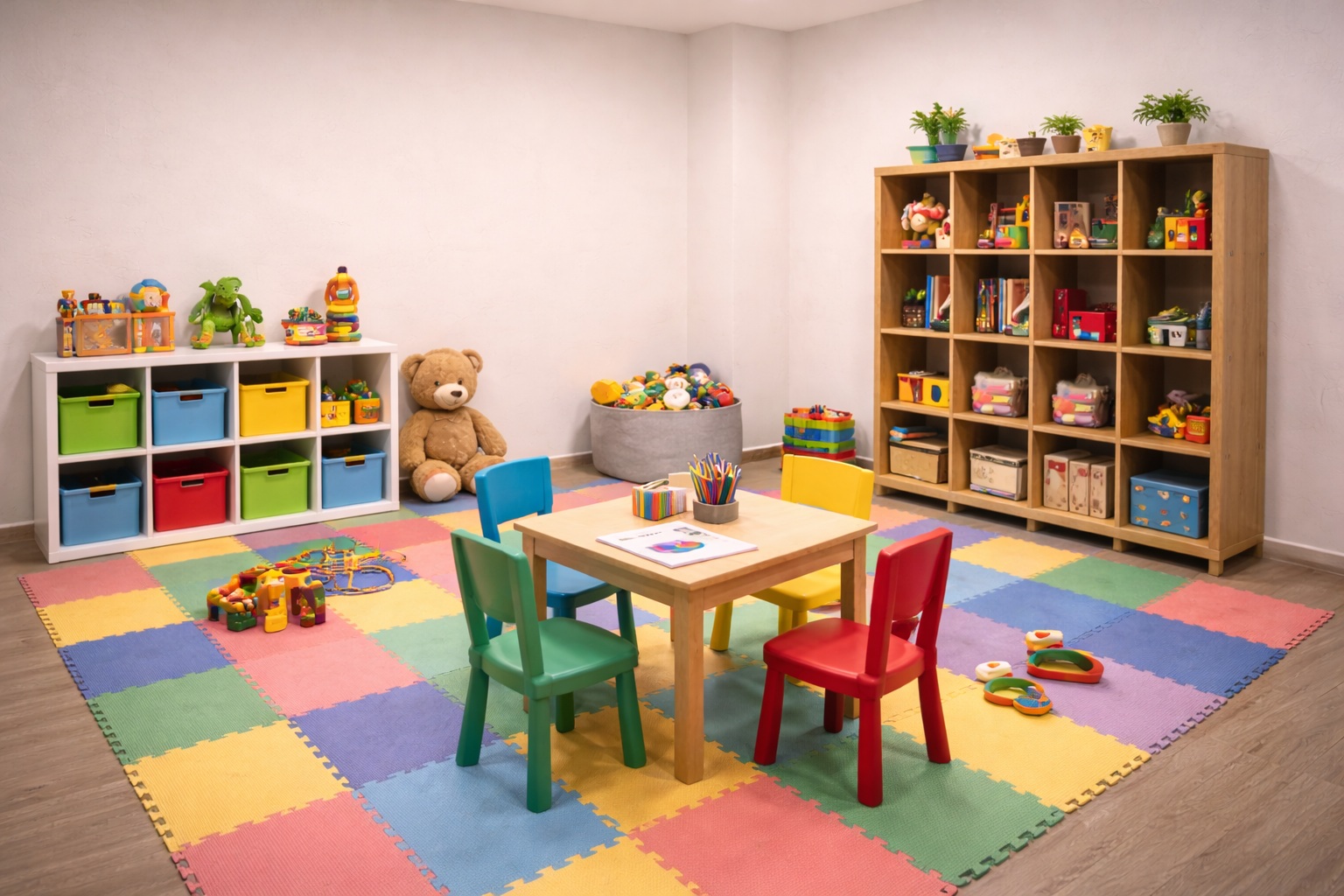
Therapy room at Farasai Clinic

Why the family is part of every care plan

For young children, parents are the most important context for change. A child cannot sustain progress in isolation from the family environment, and a care plan that ignores what happens at home will have limited effect. Parent guidance is not a secondary add-on — it is often the primary intervention.

For adolescents, the balance shifts. Privacy, autonomy, and trust become important conditions for effective care. The care plan is explicit about what is shared with parents and what remains confidential to the young person — because both transparency and trust are necessary for the work to proceed.

Specialist child and adolescent care at Farasai

The team combines psychiatric assessment, child psychology, and neurodevelopmental expertise for a coordinated clinical response.

Dr. Tina Mohammadi and the Farasai team

Dr. Mohammadi is a child psychologist focused on emotional, behavioural, and learning needs in children, with direct parent guidance as a core part of her practice. She works alongside Dr. Mahdi Moeini (psychiatrist, child and adolescent subspecialist) for complex clinical assessment and Ali Nobakht (neurodevelopmental specialist) for developmental concerns.

  • Child psychological assessment and therapy — Dr. Mohammadi

  • Psychiatric assessment and medication management — Dr. Moeini

  • Neurodevelopmental assessment and support — Ali Nobakht

Dr. Tina Mohammadi

Common questions about child and adolescent care

From what age can children be assessed?

Assessment can begin in early childhood. For very young children, the focus is primarily on the parent interview and observation. The tools and approach are adapted to age throughout. If you are unsure whether your child is old enough, contact reception and we can advise.

Should we tell our child they are coming for an assessment?

Yes, in age-appropriate terms. Children who arrive with no explanation are often more anxious and less cooperative. A simple and honest explanation — that they are coming to talk to a specialist about something that has been difficult — is generally best. We can advise on how to frame it for different ages when you book.

What if our child refuses to engage or attend?

It is not uncommon, particularly with anxious or oppositional young people. In many cases, a useful assessment can still proceed through parent interview and history, even if the child's direct participation is limited at first. The clinician is experienced in working with resistant or reluctant young people and will adapt accordingly.

How is the approach different for a 6-year-old versus a 16-year-old?

Substantially different. With younger children, the assessment is primarily through parent interview and direct observation; the child's input is gathered in age-appropriate ways. With adolescents, the young person's own account becomes central, confidentiality is more important, and the care plan directly involves the adolescent's own goals and consent.

Can parents be seen without bringing the child to the first appointment?

In some cases, yes. A parent consultation to discuss concerns, gather history, and plan the assessment can be appropriate — particularly for very young children or in situations where the parent wants clinical guidance before deciding how to proceed. Contact reception to discuss the best approach for your situation.

What if I think the problem might be ADHD or autism?

You do not need to arrive with a specific suspicion. Describe the concern and we will determine the appropriate assessment pathway. If ADHD or autism assessment is indicated, the relevant specialist and tools are incorporated. The child and adolescent pathway covers all these presentations.

My adolescent is self-harming. Is this an emergency?

If there is immediate danger to life, please contact emergency services or go to an emergency department. If the self-harm is ongoing but not acutely life-threatening, contact reception and indicate the urgency — the pathway will be adjusted to ensure the young person is seen as promptly as possible. Risk is assessed at every clinical contact.

Is medication used for children?

Yes, selectively and carefully. Medication is used in child psychiatry for specific indications — most commonly ADHD, severe anxiety, and mood disorders when other approaches have not been sufficient. It is never the first step, and the decision is made collaboratively with parents and, where appropriate, the young person.

How do we know if this is a phase or something that needs professional support?

Some signs that suggest clinical attention is warranted: the difficulty has persisted for more than a few weeks; it is significantly affecting the child's functioning at home, school, or with friends; previous attempts to manage it have not worked; or the family is becoming overwhelmed. When in doubt, a consultation is worth having — a clinician can reassure you if intervention is not needed, and that reassurance is valuable in itself.

Does my adolescent's consent matter for their own treatment?

Yes, increasingly with age. From early adolescence onwards, the young person's understanding of and agreement to treatment is clinically and ethically important. We do not impose care on an adolescent who is clearly refusing — instead we work to understand the refusal and find a way forward that the young person can accept. For younger children, parental consent governs; for older adolescents, assent and eventual consent matter significantly.

Ready to seek specialist assessment for your child?

Reception can help you clarify the right starting point — whether you have a specific concern or simply a feeling that something needs attention.

Coordinate an assessment

Phone and WhatsApp are currently the fastest way to coordinate an appointment. If there is urgency, please say so when you contact us.