
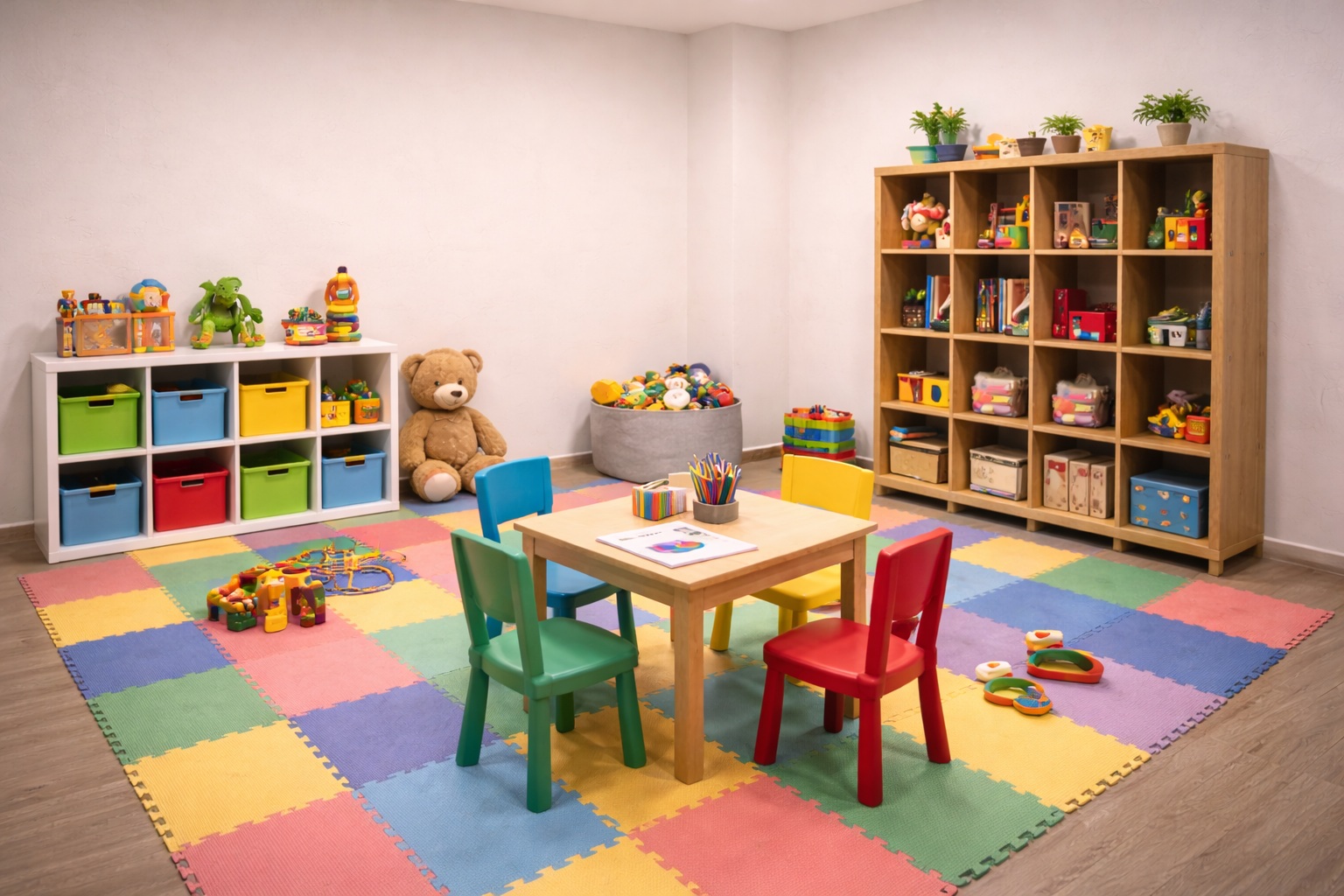
Communication and social support
Guidance on communication strategies suited to the person's style — whether that involves structured social skills practice, augmentative tools, or adapting how conversations are structured at home and at school.
Multidisciplinary evaluation of communication, sensory, behavioural, and family needs — with a practical support plan for the person's real-life context.
Autism is a lifelong neurodevelopmental condition — not a phase, and not something that resolves with time. A clear assessment gives the person and family an accurate picture to build from.
Many families arrive after years of being told their child is simply "different", "sensitive", or "difficult". Many adults arrive having spent decades not understanding why social interaction, sensory environments, or unstructured situations are consistently exhausting.
A structured autism assessment identifies the specific profile — communication style, sensory sensitivities, strengths, and challenges — so that support can be genuinely tailored rather than generic.

Autism presents differently at different ages. Some signs appear early; others only become visible under social or academic pressure.
Delayed speech or qualitatively different language development
Limited or different eye contact and social engagement
Strong preference for routines; significant distress when routines change
Intense, narrow interests pursued in great depth
Unusual sensory responses — over- or under-sensitivity to sound, touch, taste, or light
Difficulty understanding unspoken social rules, humour, or changes in tone
Persistent difficulty with social reciprocity despite genuine effort
Exhaustion after social interactions that peers find effortless
Significant distress in unstructured, unpredictable, or noisy environments
A lifelong sense of being fundamentally different without understanding why
"Masking" — expending significant effort to appear socially typical
Co-occurring anxiety, depression, or burnout that has not fully responded to previous treatment
Assessment is multidisciplinary, age-appropriate, and focused on the person's real-life profile — not only a diagnostic outcome.
Autism support is not a single intervention. A useful plan addresses the person's specific profile across the settings that matter most.
Guidance on communication strategies suited to the person's style — whether that involves structured social skills practice, augmentative tools, or adapting how conversations are structured at home and at school.
Practical adjustments to the home and school environment to reduce sensory overload, support routine, and make daily transitions more predictable. Referral to occupational therapy when indicated.
Written recommendations for school staff, support for accommodation requests, and liaison with educational coordinators when families need documentation or professional input.
Parents and caregivers receive specific, practical guidance — not generic information. This includes managing meltdowns or shutdowns, building structure, supporting emotional regulation, and understanding what to expect over time.

Many autistic adolescents and adults were not identified during childhood — particularly girls and women, who often develop strong masking strategies that conceal significant difficulties from parents and teachers. By adolescence or adulthood, exhaustion, anxiety, or burnout may be what finally prompts an assessment.
Assessment at different ages uses different tools and frameworks. The process is always adapted to the person's developmental stage and communication style, and the support plan is built around their actual context — not an abstract textbook profile.
Autism assessment at Farasai draws on psychiatry, child psychology, and neurodevelopmental expertise in a coordinated pathway.
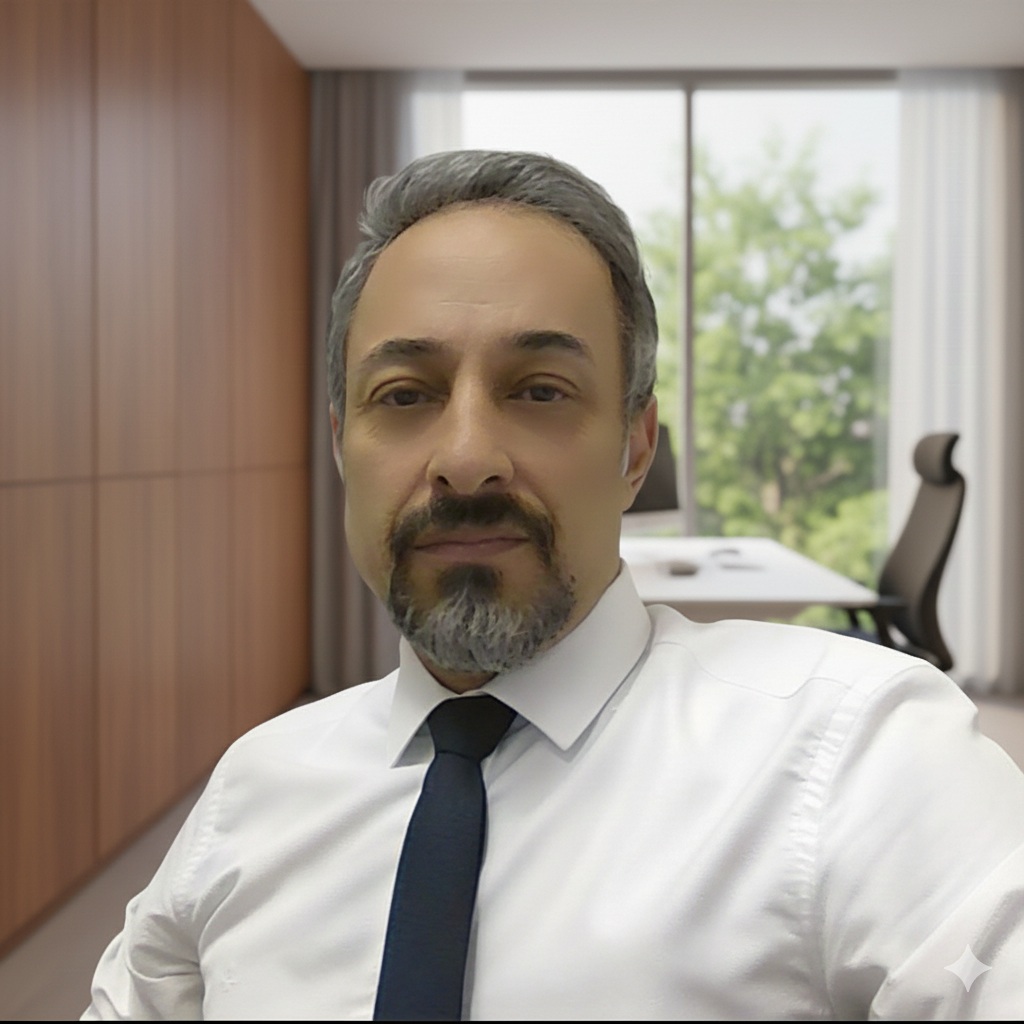
Dr. Moeini (psychiatrist, child and adolescent psychiatry subspecialist) leads the clinical formulation and diagnosis. He works alongside Dr. Tina Mohammadi (child psychologist, focused on adaptive and cognitive assessment) and Ali Nobakht (neurodevelopmental specialist), who together provide the full assessment profile.
Psychiatric assessment and clinical formulation — Dr. Moeini
Psychological and adaptive assessment — Dr. Mohammadi
Neurodevelopmental profile and support — Ali Nobakht
Does my child need a speech delay to be assessed for autism?
No. Many autistic children — particularly those who are verbally fluent — do not have a speech delay. Assessment looks at the broader profile: social communication quality, sensory responses, rigidity of routines, and interaction patterns, not speech development alone.
How long does an autism assessment take?
A comprehensive autism assessment typically involves more than one appointment. The initial session covers history and first observation; a second session may be needed to complete structured tools or finalise the formulation. The full process is explained at the outset.
What is the difference between assessment and diagnosis?
Assessment is the process of gathering information through interview, observation, and tools. Diagnosis is the clinical conclusion that follows when findings meet diagnostic criteria. Not every assessment leads to a categorical diagnosis; sometimes a clear profile is established that guides support even without a formal label.
Can girls and women be autistic even if they seem to cope well socially?
Yes. Girls and women often develop masking strategies — consciously or unconsciously mimicking social behaviour — that make autistic traits less visible in casual settings. Significant effort and exhaustion may be hidden behind apparent social competence. Assessment takes masking into account and does not rely solely on surface presentation.
Is there a minimum age for autism assessment?
Assessment can be initiated from early childhood. For very young children, the clinical picture is still developing and some features may not yet be clearly differentiated. Our team can advise on whether the current age and presentation are appropriate for formal assessment or whether structured monitoring is more suitable.
What happens after diagnosis — is there ongoing support?
Yes. The support plan that follows diagnosis is not a one-time document. Follow-up appointments review progress, adjust guidance as the person's context changes — starting school, adolescence, transitions to adulthood — and address any emerging co-occurring conditions such as anxiety or mood difficulties.
Is autism assessment available for adults?
Yes. Adult autism assessment is a growing part of our referral pathway. Many adults have managed significant challenges for decades without a clear explanation. The assessment process for adults is adapted to the lifespan context and focuses on the person's history and current daily functioning.
What co-occurring conditions are commonly found alongside autism?
ADHD is the most common co-occurring neurodevelopmental condition. Anxiety disorders — particularly social anxiety and generalised anxiety — are very frequent. Depression, sleep difficulties, sensory processing differences, and specific learning disabilities also commonly co-occur. The assessment and support plan address the full clinical picture.
Are rating scales and questionnaires enough on their own for a diagnosis?
No. Questionnaires and rating scales are useful as part of a broader assessment but are not sufficient on their own. The clinical interview, developmental history, and direct observation are always central. Scales provide structured supporting information, not the conclusion.
We have had a previous autism assessment elsewhere — can we still be seen here?
Yes. Please bring any previous reports or correspondence. If the previous assessment reached an unclear conclusion, the support plan needs updating, or you want an independent formulation, we can review the existing information and provide a fresh clinical perspective.
Reception can help you clarify the most suitable starting point and confirm which clinician is the right fit for your situation.